Fertility decreases with age, but not only in women. Even though we constantly talk about
women’s “biological clock”, the quality of sperm also decreases with age, affecting the
chances to achieve pregnancy.
Stress can affect fertility. High stress levels can alter normal hormonal balance and lower
conceiving possibilities. Practices like yoga and meditation can help improve fertility.
Women are born with all of the eggs that they will have in their life. There are approximately 1
million when they are born, but only 400-500 will be ovulated throughout their reproductive
life.
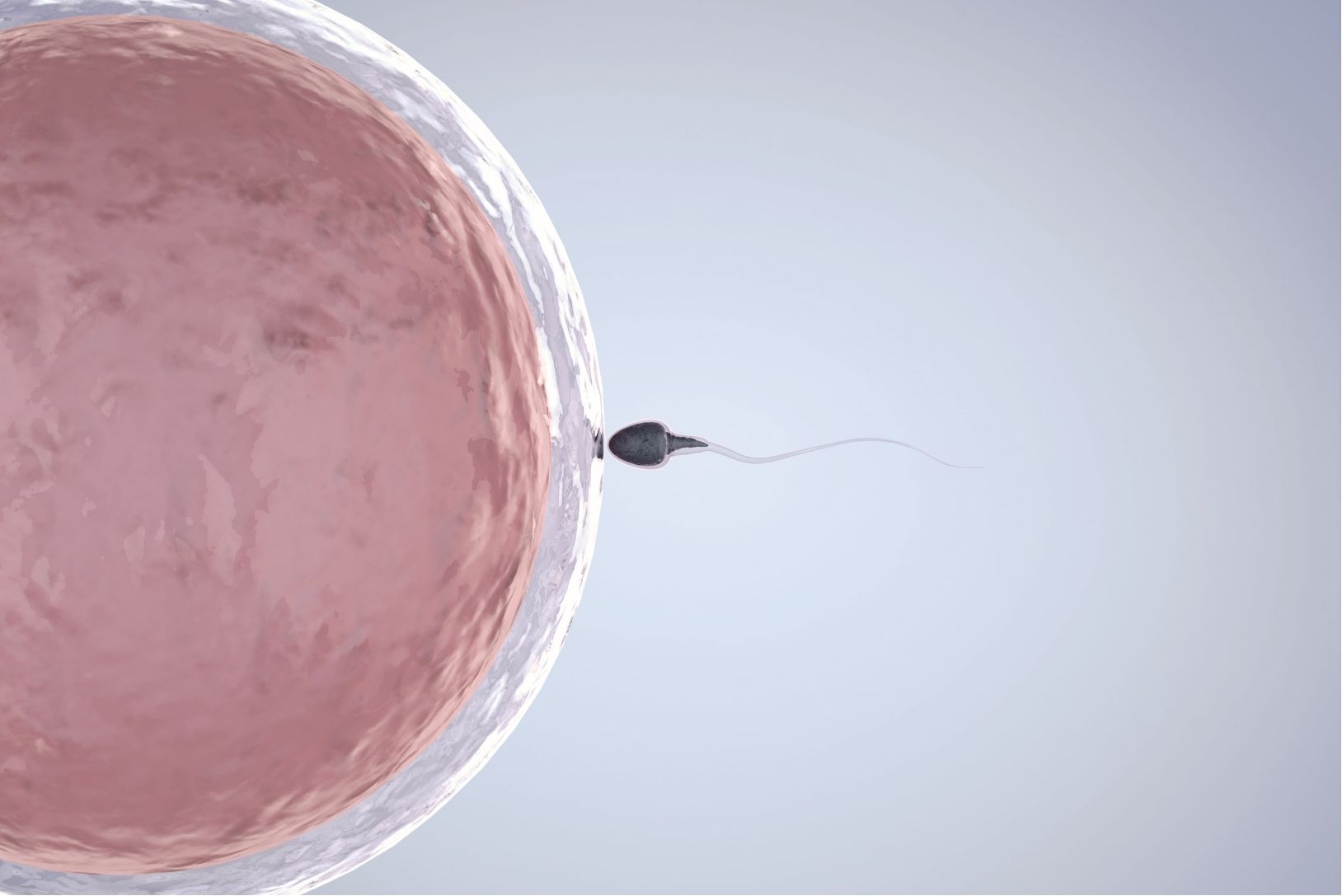
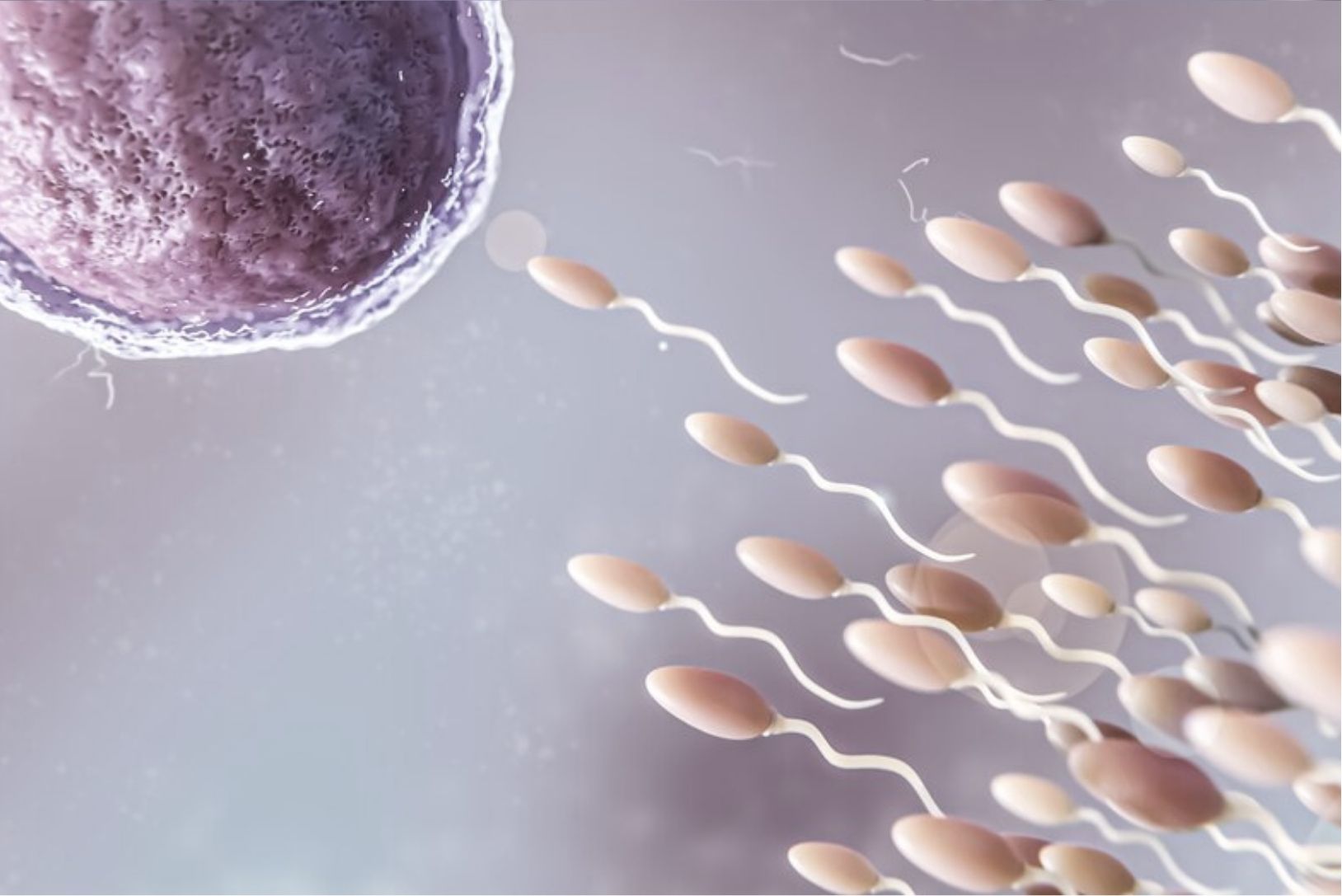
Sperm go through a long trip before fertilizing the egg. They must travel 18 cm inside the feminine reproductive system, the equivalent of a human swimming 6km in the sea.
The sex of the baby is decided from the very beginning. The sperms determine whether is the
embryo is going to be XX (woman) or XY (man).
Food also influences fertility. Antioxidant rich diets omega-3 and folic acid can improve the eggs and sperm quality.
Pregnancy rates have decreased around the world. During the 60’s, women had an average of 5 children; Nowadays the average is 2.3 children per woman.
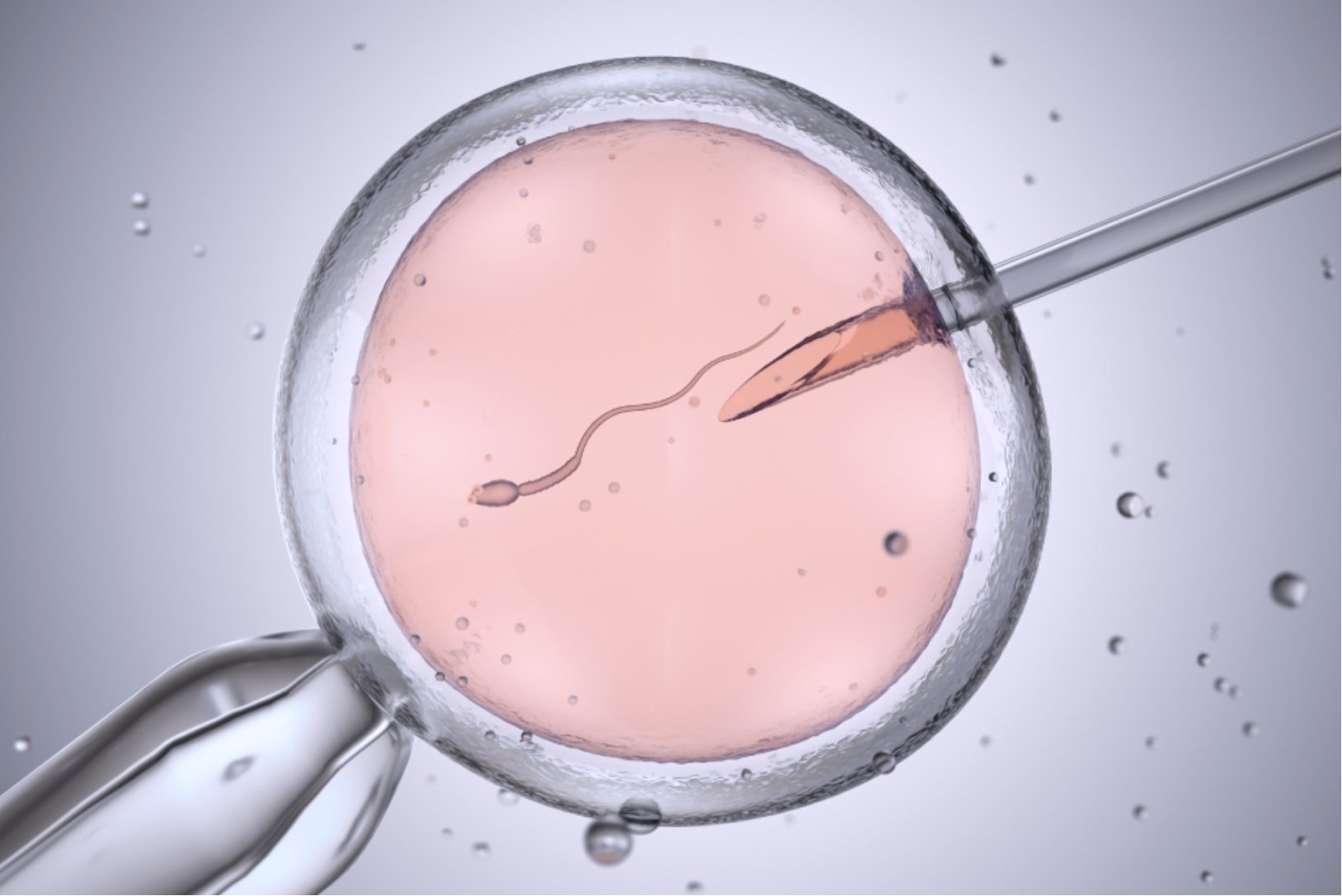
In Vitro Fertilization changed history. Since the birth of the first baby conceived via IVF in 1978, more than 8 million babys have been born thanks to this procedure.
Sperm can live several days inside the woman’s body. In optimal conditions, sperm can survive up to 5 days in the reproductive tract, increasing the chances for pregnancy.